
Creating Inclusive Communities for Children with Developmental Differences
Updated: Dec 29, 2025
Creating inclusive communities for children with developmental differences is not just a noble goal; it is essential for fostering a society that values diversity and promotes understanding. As we strive to build environments where every child can thrive, it is crucial to recognize the unique needs of children with developmental differences and to implement strategies that support their inclusion. This blog post will explore practical ways to create inclusive communities, share inspiring examples, and highlight the importance of collaboration among families, educators, and community members.

Understanding Developmental Differences
Developmental differences encompass a wide range of conditions, including autism spectrum disorder, Down syndrome, attention deficit hyperactivity disorder (ADHD), and learning disabilities. Each child is unique, with their own strengths and challenges. Understanding these differences is the first step toward creating an inclusive community.
The Importance of Awareness
Raising awareness about developmental differences is vital. Many people may not fully understand what these differences entail, leading to misconceptions and stigma. By educating ourselves and others, we can foster empathy and support for children who may struggle in traditional settings.
Key Statistics
Approximately 1 in 6 children in the U.S. has a developmental disability.
Early intervention can significantly improve outcomes for children with developmental differences.
Inclusive education settings have been shown to benefit all students, not just those with disabilities.
Building Inclusive Spaces
Creating inclusive communities starts with building spaces that accommodate all children. This includes physical environments, educational settings, and social spaces.
Designing Accessible Playgrounds
Playgrounds are often the heart of community interaction for children. Designing inclusive playgrounds ensures that children of all abilities can play together. Features to consider include:
Adaptive swings that allow children with mobility challenges to participate.
Sensory play areas that engage children with different sensory needs.
Wide pathways for easy navigation with wheelchairs or mobility devices.
Inclusive Schools
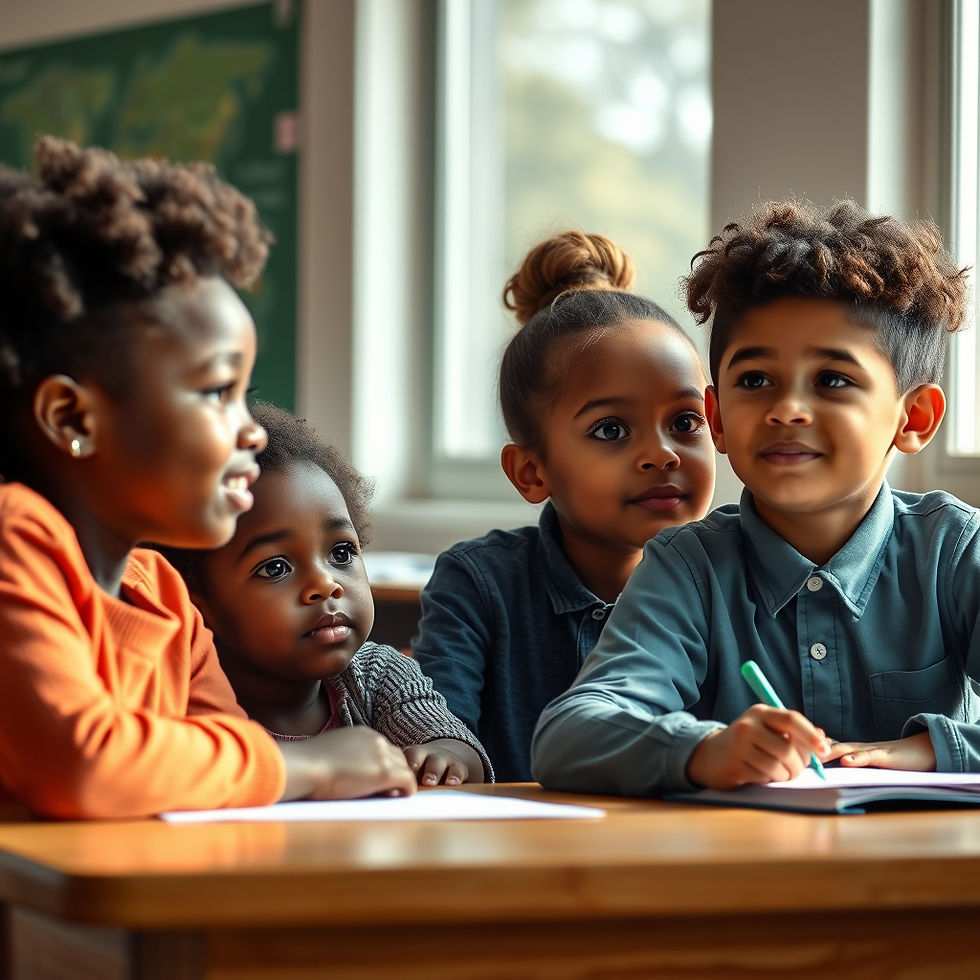
Schools play a crucial role in shaping children's experiences. Implementing inclusive practices in schools can help children with developmental differences thrive. Strategies include:
Differentiated instruction that caters to various learning styles.
Peer buddy systems that pair students with and without disabilities for collaborative learning.
Professional development for educators on inclusive teaching strategies.
Fostering Community Engagement
Creating an inclusive community requires the active participation of families, educators, and local organizations. Collaboration is key to ensuring that all voices are heard and that resources are shared effectively.
Family Involvement
Families of children with developmental differences often have valuable insights into their children's needs. Encouraging family involvement can lead to more effective support systems. Strategies include:
Parent support groups that provide a platform for sharing experiences and resources.
Workshops and training sessions for families to learn about advocacy and support strategies.
Community events that celebrate diversity and promote inclusion.
Partnering with Local Organizations
Local organizations can play a significant role in fostering inclusive communities. Collaborating with nonprofits, advocacy groups, and businesses can enhance resources and support. Consider:
Hosting inclusive events that bring together families, educators, and community members.
Creating awareness campaigns that highlight the importance of inclusion.
Offering training programs for community members on how to support children with developmental differences.
Celebrating Diversity
Celebrating diversity is essential for creating an inclusive community. By recognizing and valuing the unique contributions of all children, we can foster a sense of belonging.
Inclusive Events
Organizing inclusive events can help bring the community together. Examples include:
Cultural festivals that showcase the talents and traditions of diverse groups.
Art shows featuring works created by children with developmental differences.
Sports events that promote teamwork and cooperation among all participants.
Storytelling and Representation
Representation matters. Sharing stories of children with developmental differences can help break down barriers and foster understanding. Consider:
Creating a community newsletter that highlights achievements and experiences of children with developmental differences.
Inviting speakers to share their journeys and insights at community events.
Using social media to amplify voices and stories that promote inclusion.
The Role of Technology
Technology can be a powerful tool in creating inclusive communities. It can enhance communication, provide resources, and facilitate connections among families and educators.
Assistive Technology
Assistive technology can help children with developmental differences access learning and social opportunities. Examples include:
Communication devices that enable non-verbal children to express themselves.
Educational apps that cater to various learning styles and needs.
Virtual reality experiences that provide immersive learning opportunities.
Online Support Networks
Online platforms can connect families and educators, providing a space for sharing resources and support. Consider:
Creating online forums where families can ask questions and share experiences.
Developing resource websites that compile information on local services and support.
Utilizing social media to create awareness and foster community connections.
Encouraging Empathy and Understanding
Empathy is at the heart of inclusion. Teaching children to understand and appreciate differences can create a more compassionate community.
Social-Emotional Learning
Incorporating social-emotional learning (SEL) into educational settings can help children develop empathy and understanding. Strategies include:
Role-playing activities that allow children to experience different perspectives.
Discussion groups that encourage open dialogue about feelings and experiences.
Mindfulness practices that promote self-awareness and empathy.
Peer Mentorship Programs
Peer mentorship programs can foster connections between children with and without developmental differences. These programs can:
Encourage friendships and reduce stigma.
Promote teamwork and collaboration.
Enhance social skills for all participants.
Conclusion
Creating inclusive communities for children with developmental differences is a collective effort that requires awareness, collaboration, and empathy. By building accessible spaces, fostering community engagement, celebrating diversity, leveraging technology, and encouraging understanding, we can create environments where every child can thrive.
As we move forward, let us commit to taking actionable steps in our communities. Whether through advocating for inclusive practices, participating in local events, or simply educating ourselves and others, we all have a role to play in building a more inclusive world for children with developmental differences. Together, we can make a difference.
Comments